
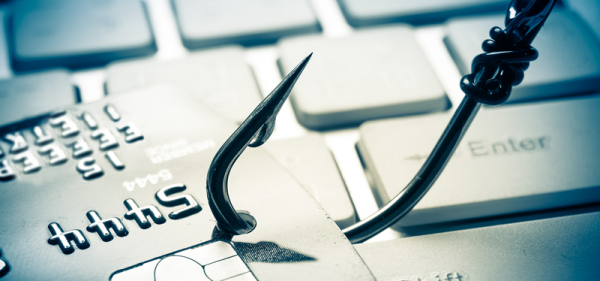
Let’s start this with this bit of info… The eyes of the cyber attacker are primarily upon the theft of the personal and confidential information of an individual. This includes credit card information, social security numbers, bank and checking account information, etc.
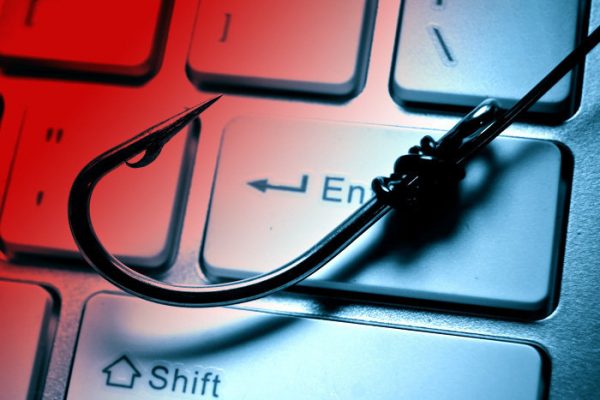
With that said, one of the most widely used and covert ways in which to extract this sort of data is known as “Phishing.” It can be specifically defined as follows:
“It is a cybercrime in which a target or targets are contacted by email, telephone, or text message by someone posing as a legitimate institution to lure individuals into providing sensitive data such as banking and credit card details and passwords”.
So, as one can see from the definition, there are numerous ways in which the cyber attacker can launch a Phishing attack. However, e-mail is still the most widely used mechanism.
Therefore, you as the business owner, must constantly be vigilant of what the telltale signs of a Phishing e-mail are. These include the following:
1. The content of the e-mail message has poor spelling or grammar:
Phishing e-mails often contain misspelled words, or even extra digits in the telephone number in the signatory component of the message. At first glance these can be very difficult to find, but after a second or third look, they can be spotted.
For instance, a phony message would contain the salutary line of “Dear eBay Costumer” instead of “Dear eBay Customer”. Also look in the subject line as well for any misspellings.
Most e-mail applications are good in catching this, but some still fall through the cracks and make their way into your inbox.
2. The hyperlinked URL is different that the one that is presented:
Most Phishing e-mail messages contain the name of a legitimate organization, but with a phony URL that is hyperlinked to it.
For example, you could get what looks like a legitimate e-mail message from PayPal, and towards the end of the message, it will say something like:
“Check your PayPal account here.”
Obviously, the name looks authentic enough, but instead of taking you to www.paypal.com, the hyperlink displays a different URL (hover over it to see it).
3. The e-mail message has a sense of urgency to it:
The content of a Phishing e-mail will often have a strong sense of action to take.
For example, it may say that your PayPal account has been closed, put on hold, or that there is even some sort of fraudulent activity that has occurred on it. In these instances, there will also be a link to take you to your account, but once again, it will be a phony one.
4. It asks you to make a donation:
In the face of a natural disaster, human emotions have taken a toll, and this is the time when most people usually let their guard down. The harsh reality of this is that a stealthy cyber attacker will take full advantage of this situation, and even send out phony e-mails asking you to donate money to help a certain humanitarian agency, such as the Red Cross.
In the end, however, this money will only end up in the pockets of the cyber attacker, or some other illegitimate organization.
5. It will contain a suspicious attachment:
Most legitimate business entities or even individuals will not send you an attachment unless you have specifically requested one. Sometimes, Phishing e-mails will contain an attachment, which will very often be in a .DOC or .XLS file extension.
It will look like that these attachments are coming from somebody you know. These attachments contain a malware or spyware executable program which will launch onto your computer or wireless device once they are downloaded and opened.
Keep an eye out on these tactics. They can save you from SIGNIFICANT headaches.
Want to know more about how you can protect your business from a Phishing attack? Contact us for more information!