

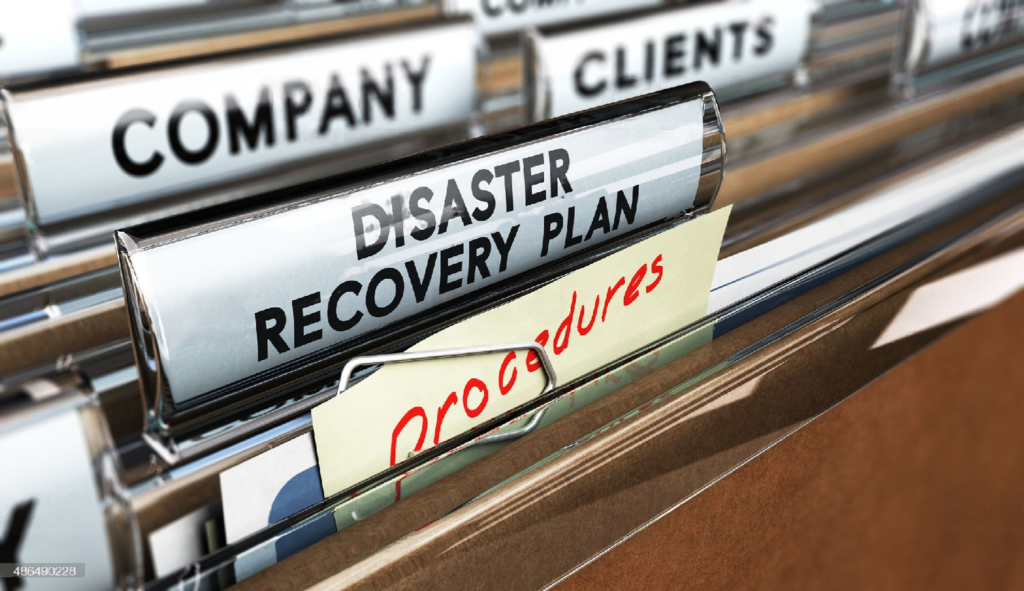
As a small to medium business owner in the Hoffman Estates, IL area, you understand the importance of having a disaster recovery plan in place.
In today’s digital age, businesses rely heavily on technology, making it essential to have a plan in case of a disaster that could potentially disrupt your operations.
In this post, we’ll discuss the key elements of a disaster recovery plan that you should include.
What is a Disaster Recovery Plan?
A disaster recovery plan (DRP) is a plan of action that outlines the steps a business will take to recover from a disaster, whether it’s a natural disaster, cyberattack, or any other unforeseen event that could cause disruptions to your business operations.
Why is a Disaster Recovery Plan Important?
A disaster recovery plan is important because it helps businesses to minimize downtime and recover quickly from a disaster. By having a disaster recovery plan in place, businesses can continue to operate and provide services to their customers while recovering from a disaster.
This can help prevent long-term damage to the business and its reputation.
Key Elements of a Disaster Recovery Plan:
Identify Critical Business Processes: The first step in creating a disaster recovery plan is to identify your critical business processes.
These are the processes that are essential to the operation of your business, and their disruption would cause significant harm to your business.
Once identified, prioritize these processes and create a plan to ensure they are recovered quickly in the event of a disaster.
- Backup and Recovery:
Regular backups of your data are essential to ensure that you can recover from a disaster.
Your disaster recovery plan should include a backup strategy that outlines how often backups are taken, where they are stored, and how they can be recovered in the event of a disaster. - Communication Plan:
A communication plan is essential to ensure that all employees are informed and updated during a disaster.
This plan should include who will be responsible for communicating with employees, customers, vendors, and other stakeholders. - Testing and Maintenance:
Once you have a disaster recovery plan in place, it’s essential to test it regularly.
This can help ensure that your plan is effective and up-to-date.
You should also ensure that your plan is maintained and updated regularly to reflect changes in your business processes and technology. - Security Measures:
Security measures are crucial to ensure that your business is protected from cyberattacks and other security threats.
Your disaster recovery plan should include measures to prevent, detect, and respond to security incidents.
In conclusion, having a disaster recovery plan in place is essential for small to medium businesses in the Hoffman Estates, IL area.
By identifying critical business processes, implementing backup and recovery strategies, creating a communication plan, testing and maintaining your plan, and implementing security measures, you can ensure that your business can recover quickly from a disaster.
If you need help creating a disaster recovery plan, contact us today to learn how we can assist you.